
Est. 2014 · Nonprofit
Improving outcomes for Aortic Trauma
We are dedicated to saving lives through global research and education for patients with Traumatic Aortic Injury (TAI).
Bridging the gap between
trauma and recovery.
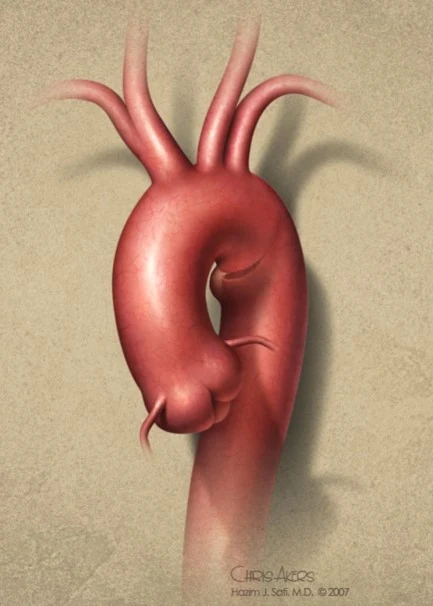
Traumatic Aortic Injury is the second leading cause of death in blunt trauma patients. Our mission is to transform outcomes for patients with Traumatic Aortic Injury by advancing clinical research, heightening public awareness, and empowering clinicians with the expertise for optimal diagnosis and management.
2014
Founded
52
Global Partners
1,431
Patients
10+
Years of Data
Patient Education
Understanding your diagnosis is the first step to recovery. Access our guides on treatment, recovery timelines, and life after injury.
Read Patient GuideClinical Education
Injury grading, mechanism, and management guidance for vascular surgeons and trauma specialists managing aortic injury.
View Clinical ResourcesInternational Registry
Explore data from 1,431 patients across 52 centers worldwide. The BTAI registry is the cornerstone of our evidence-based approach.
Explore the RegistryLatest Updates
News and announcements from the foundation
Registry
June 2026
BTAI Registry surpasses 1,400 patients enrolled
The ATF international BTAI registry has now enrolled 1,431 patients across 52 participating centers in North America, Europe, and Oceania.
ClinicalMarch 2026
Society for Vascular Surgery releases focused update to the BTAI clinical practice guideline
The Society for Vascular Surgery has published “The Society for Vascular Surgery clinical practice guideline on the management of blunt thoracic aortic injury: Focused update” — the first update since 2011 — with 13 updated recommendations. ATF leadership authored the guideline.
Research2026
Blunt thoracic aortic injury in the geriatric population
New registry findings on BTAI in older patients — a growing share of the injury burden as falls overtake motor vehicle collisions in an ageing population — published in the Journal of the American College of Surgeons.
Recent Research
Peer-reviewed output from the ATF international BTAI registry
The Society for Vascular Surgery clinical practice guideline on the management of blunt thoracic aortic injury: Focused update
Predictors of Delayed Ischaemic Stroke following Thoracic Endovascular Aortic Repair for Blunt Thoracic Aortic Injury
Your support drives our mission.
Whether you are a clinician submitting data, a survivor sharing your story, or a donor supporting research—you are saving lives.
Get Involved